
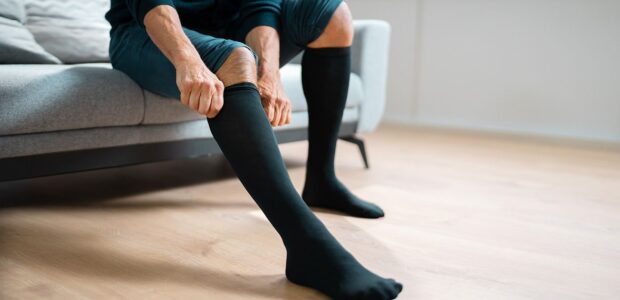

Compression socks are specifically designed to work against the occurrence of venous issues, such as thrombosis or edema, among others. They are also common in the treatment and the prevention of symptoms of diabetes and other similar affections, but they are also handy among pregnant women.
Comparison of The Best Compression Socks For Elderly of 2026 UK
From all these categories, elders will benefit from compression socks more than anyone else. Now, choosing the best compression socks for the elderly is a completely different story. With so many options out there, making an informed decision could be a challenging task, but certainly not impossible.
1. Iseasoo Compression Socks
These socks come in a bunch of different colors – you can get plain colors or patterns as well. For this price, you get a full package of eight different packs – the same size though. You have two sizes to choose from – small and medium or large and extra-large.
The socks are designed with technology in mind. Their primary role is to boost the circulation in your legs – mostly because of the copper fibers in their composition. As for the compression, it is rated at 15mmHg to 20mmHg. The copper fibers pull electricity from the body and rush the healing process.
The socks are made of breathable fabrics. They are designed as high-performance socks to maintain the right temperature. The UPF 50+ fabric will never cause any discomfort or itchy sensations. They are knee-high, so they are suitable for those with pains and issues below the knee.
Pros
- Good value for money
- Copper fibers in their design
- Available in lots of styles
- No itching sensations
Cons
- Not available in a higher compression
2. Physix Gear Sport Compression Socks
Physix Gear Sport’s best compression socks for the elderly are made of 70% nylon and 30% spandex. They are suitable for both men and women and they come in a few different designs. As for sizes, you have three different options ranging from small to XXL.
The socks are built to last, regardless of what you need them from. They feature double-stitched materials and bring in a comfortable experience as soon as you put them on. They can be machine washed without feeling like you lose compression.
The socks are knee-high and come with compression of 20mmHg to 30mmHg. They can prevent blood clots, help after surgeries or injuries and keep symptoms of diabetes under control. They are great for long flights or workouts as well.
Pros
- Excellent fit
- Good compression standards
- Multiple sizes available
- Great to reduce shocks
Cons
- Might feel a bit too long for short people
3. Charmking Compression Socks
Available in dozens of colors and patterns and providing excellent support, these might be the best compression socks for elderly if you are after shorter alternatives. They are short and go just above the ankle. They also come in two different sizes – small and medium or large and extra large.
The pack provides great value for money. You can choose between three, six and seven pairs in a pack. They are built for everyday uses, as well as sports activities like cycling, walking or yoga. They are just as handy for long flights or shifts in work.
When it comes to the actual compression, it is set between 15mmHg and 20mmHg. It is a suitable option if you are after an improved blood circulation and a better oxygen flow. You can move much faster and rely on less energy to perform actions. The support could be moderate or extra firm, based on what you do.
Pros
- Great value for money
- Available in dozens of colors
- Great for both men and women
- Suitable for more activities
Cons
- Sizing could be a little off – too large
4. Charmking Compression Socks 8 Pairs
Charmking is a common name on the market when it comes to compression socks. This set is available in a knee high size, meaning it works wonders on those with problems around their ankles or lower parts of their legs. You have excellent value for money – eight different packs in the package.
You have a multicolor combo – loads of different options out there. There are three different sizes too, yet the manufacturer provides a sizing chart to ensure you get the optimal one. In terms of quality, you have perfect stitches and great materials – easy to get on.
Read Also: Top 6 Best Natural Pumice Stones for feet of 2026 UK
The nylon percentage in these socks is 85%. You have a 360 degree stretch for durability and flexibility, while the fabric allows your feet to breathe. As for the compression, you get 15mmHg to 20mmHg – suitable for the most common health problems that require compression socks.
Pros
- Lots of colorful combinations
- Package of eight pairs
- Good sizing standards
- Durable and comfortable
Cons
- Not the best option for those who require medical-grade support
5. Physix Gear Sport Compression Socks
These compression socks from Physix Gear Sport are ideal for those who require an athletic fit and a compression between 20mmHg and 30mmHg. You have nine different color combinations to choose from. Other than that, there are three sizes available. It might be a good idea to check the sizing chart, as sizes are not given in numbers – small and medium, large and extra large or XXL.
Socks are made of 70% nylon and 30% spandex, hence the expansion capabilities. They can stretch and rotate without risking to break them. They can be machine washed without losing compression whatsoever. The fabric is double stitched for durability. Other than that, it is worth noting they are available in a knee high size.
The socks are so well fit that you will experience comfort the moment you get them on. They will boost the blood circulation and prevent clots. They are suitable for medical recovery problems, specific affections, injuries or surgeries. They are just as handy for those who work long shifts or travel over long distances.
Pros
- Good looking styles
- Comfortable and perfect fit
- Can be machine washed without losing compression
- Double stitched for durability
Cons
- Sizing is a bit off for short people
6. Charmking Compression Socks 3 Pairs
This specific set from Charmking brings in three different pairs in the package. The value for money is great. Other than that, it makes no difference what style you got – there are just under 30 different styles and colors to choose from. You can find both simple colors and crazy patterns.
The socks are knee-high. They will go just under your knee and will provide lots of comfort for a series of problems. They come in two different sizes – one for small and medium feet and another one for large and extra-large feet. Sizing is, therefore, a bit general for some extra convenience.
When it comes to the actual compression, you have 15mmHg to 20mmHg. The fabric is qualitative and less likely to quit on you. It comes with a good stretching capability too – mostly because of the 80% nylon in its composition.
Pros
- Good stretching abilities
- Good value for money
- Loads of colors and designs
- Breathable fabric
Cons
- Compression could vary a bit due to the general sizing
What To Look For In The Best Compression Socks For Elderly
Knowing what to look for in compression socks will help you make a better decision.
Compression
The actual compression is given in mmHg – the same unit of measurement for blood pressure. Compression socks between 15mmHg and 20mmHg are suitable for daily wear and sports recovery. Those rated between 20mmHg and 30mmHg are great for everyday wear, medical recovery or mild affections.
Anything between 30mmHg and 40mmhG is good for moderate to severe affections, medical recovery issues and daily wear.
Socks or stockings
Choosing between socks and stockings depends on where in your legs the pain is. You can find knee high, thigh high and pantyhose products out there. If you have problems in your ankles, knee high socks make perfect sense. If problems are above your knee, you need thigh high or pantyhose alternatives.
Style and design
The style and design are often overrated – bad idea. If you think about it, you can find socks in all kinds of styles, patterns and colors, so you do not have to make a compromise. Opaque classic materials are standard and common – suitable for both men and women. They are durable and ideal against varicose veins, swelling issues or after surgery complications.
Sheer fabric styles are more suitable for women. They are quite fashionable, but they are also transparent and light. They can be taken for a casual outfit, as well as an elegant and stylish one. They are not very durable against snags though. You will choose looks over practicality.
Read Also: Top 5 Best Pedicure Chairs of 2026 UK
Finally, you can find sports materials as well. They are often based on cotton or wool, but you can also find high end materials. They can be worn on a daily basis, but they are usually sold in low compression levels. If you need anything over 30mmHg, you will probably have to look for opaque fabrics.
F.A.Q.’s About The Best Compression Socks For Elderly of 2026 UK
🧦 Compression Socks — Clear Answers to Your Questions
👵 Should the elderly wear compression socks?
Yes—often helpful, especially for:
- Leg swelling
- Poor circulation
- Varicose veins
- Long sitting/standing
But they must be properly fitted and not used if circulation is severely reduced (like advanced arterial disease).
⚠️ Should you wear them if you have a DVT?
- Sometimes YES—but only if prescribed
- Doctors may recommend them after diagnosis to reduce swelling and prevent complications like Post-thrombotic syndrome
- Do NOT start wearing them on your own if you suspect a clot
🩺 What kind do doctors recommend?
Medical-grade compression:
- 15–20 mmHg → mild support (travel, light swelling)
- 20–30 mmHg → moderate (varicose veins, DVT recovery)
- 30–40 mmHg → strong (serious conditions, prescribed only)
👉 These are graduated compression socks (tightest at ankle, looser upward)
💧 Do they help lymphatic drainage?
Yes. They can support fluid movement and help with:
- Lymphedema
- Swelling from fluid retention
⏱️ How long should you wear them?
- Typically during the day (8–12 hours)
- Remove at night unless a doctor says otherwise
🛑 When should you NOT wear them?
Avoid if you have:
- Severe peripheral artery disease
- Skin infections or open wounds
- Severe neuropathy
- Poor circulation diagnosis
🧠 Difference: regular vs medical compression socks
- Regular: mild, not precisely measured
- Medical: graded, tested, prescribed strength
🔢 Which is tighter: 15–20 or 20–30?
👉 20–30 mmHg is tighter
🩸 What helps dissolve blood clots in legs?
- Medications (blood thinners like heparin, warfarin)
- In serious cases: clot-busting drugs
⚠️ No sock or vitamin dissolves clots directly.
⚠️ Can wearing them too long cause problems?
Yes:
- Skin irritation
- Numbness
- Reduced circulation if too tight
🚨 10 signs of a blood clot in the leg
Common signs of Deep Vein Thrombosis:
- Swelling (one leg)
- Pain or tenderness
- Warm skin
- Red/discolored skin
- Leg heaviness
- Cramping
- Visible veins
- Skin tightness
- Pain when walking
- Sudden unexplained leg discomfort
🚨 5 major warning signs (simplified)
- Swelling
- Pain
- Warmth
- Redness
- Tenderness
💊 What vitamin dissolves blood clots?
👉 None.
Some nutrients (like vitamin E or omega-3s) affect clotting slightly, but they do not dissolve clots.
❓ Can clots go away on their own?
Sometimes small ones may shrink, but:
👉 They are dangerous and must be treated
✔️ How tight should compression socks feel?
- Snug but not painful
- No numbness or tingling
- No deep marks or discoloration
✈️ Is 20–30 mmHg too much for flying?
- Usually safe if recommended by a doctor
- Most travelers use 15–20 mmHg
🩺 Do they affect blood pressure readings?
- Not significantly
- But remove them before measurements for accuracy
📏 How high should they go?
Depends on need:
- Knee-high → most common
- Thigh-high → more serious conditions
- Full stockings → specific medical use
📉 Signs you shouldn’t wear them
- Pain increases
- Toes turn blue or pale
- Numbness or tingling
- Skin sores
📐 Size: up or down?
👉 Neither
Always measure your leg and follow sizing charts
🛒 How to choose size
Measure:
- Ankle circumference (most important)
- Calf circumference
- Leg length
⚠️ Common mistakes
- Wearing wrong size
- Rolling them down
- Wearing overnight without advice
- Using too high compression without prescription
🧦 Can you wear normal socks over them?
Yes, but:
- Avoid tight layering
- Don’t restrict circulation
🔄 Alternatives to compression socks
- Leg elevation
- Walking/exercise
- Compression wraps
- Pneumatic compression devices
- Massage/manual lymph drainage
❗ Can tight socks cause clots?
- Improper tightness could worsen circulation, but not a direct cause
- Ill-fitting compression is risky
⛔ When to stop wearing them
- If pain, numbness, or discoloration occurs
- If doctor advises stopping
🧦 Tight socks vs compression socks
👉 Not the same
Compression socks are graduated and medically designed
🛠️ Gadget to help put them on
- “Sock aid” or compression stocking donner
💧 Where does the fluid go?
- Moves back into bloodstream
- Processed by kidneys → may increase urination slightly
🚽 Do you pee more?
👉 Sometimes yes (mild effect)
🚫 What NOT to do
- Fold or roll them down
- Wear wrinkled
- Use wrong size
- Ignore pain
🤔 What if you don’t need them?
- Usually harmless if mild compression
- Strong compression unnecessarily can cause issues
🦶 Open toe vs closed toe
- No major difference medically
- Open toe = more comfort in heat or for toe issues
🌙 Can you wear them at night?
👉 Usually NO, unless prescribed
😴 Should you sleep in them for swelling?
- Not typically
- Better: elevate legs
🌙 Alternatives at night
- Elevation (pillows under legs)
- Gentle movement before bed
👵 How to put them on (especially elderly)
- Put on in the morning
- Turn sock inside out to heel
- Slide foot in
- Gradually pull up (don’t yank)
- Smooth wrinkles
👉 A sock aid device helps a lot
✅ Bottom line
Compression socks are very useful—but only when used correctly.
The biggest risks come from:
- Wrong size
- Too much compression
- Using them when you shouldn’t (like untreated circulation issues)
Conclusion
As a short final conclusion, choosing the best compression socks for the elderly depends on a few different factors – most importantly, your personal needs and expectations. Once you figure out what you need, get the optimal level of compression and look for value for money.
Read Also: Top 6 Best Natural Pumice Stones for feet of 2026 UK
Whether you want comfort, a speedy recovery or the possibility to tackle the symptoms of a medical affection, the good news is you have plenty of options to choose from.
Pingback:Top 6 Best Foot Cream For Athlete's Foot of 2026 UK- Couponing 101