
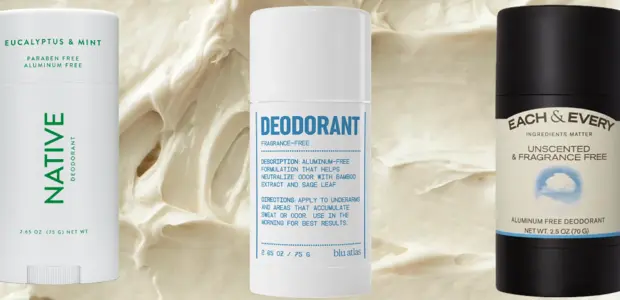

When you have sensitive skin or are allergic to some of the ingredients in commercial deodorants, it can be a real nightmare. Rashes, red bumps, and a burning sensation are just some of the symptoms that can occur when the wrong deodorant is used. And these symptoms can make a person reluctant to even put on deodorant or antiperspirants in the morning, which can be an issue for the people around the person in question.
What’s a man to do when they have a deodorant sensitivity? Fortunately, there are remedies available to men with sensitive skin who still need to wear deodorant. Actually, we’ve found ten such deodorants that are effective at controlling odor without irritating sensitive skin. So without further ado, we present the ten best men’s deodorants for sensitive skin. Anyone of the following products does a great job dealing with underarm odor, all without being overly harsh.
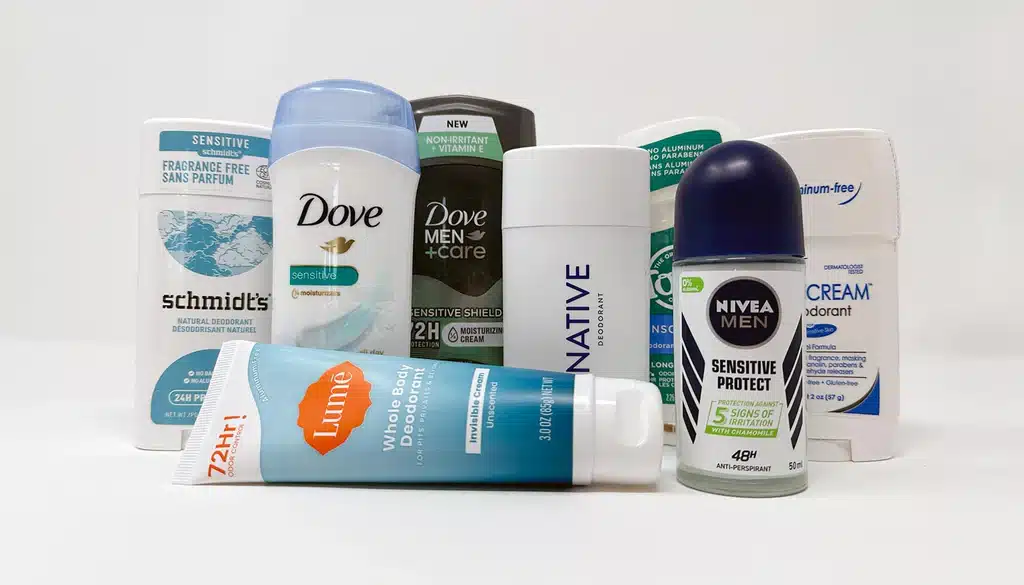
Best Men’s Deodorants For Sensitive Skin of 2026
10. MagSol Sandalwood Sensitive Skin Deodorant
No one knows better than us how difficult it is to find a deodorant for men that have sensitive skin. After all, a deodorant has to not only be gentle on the skin, but it also has to fight odor and have a pleasant scent to even to it, to even make it on our list. This deodorant was not only capable of fulfilling those simple requirements, but it was also capable of soothing underarm skin. That’s probably because it’s made with almond oil, magnesium oxide, and therapeutic-grade essential oils, instead of baking soda, aluminum, triclosan, or parabens. So in essence, it calms down the user’s skin, even as it fights armpit odor. And that makes it one of the best men’s deodorants for men with sensitive skin.
9. Dove Men+ Care Sensitive Shield Stick
This white stick deodorant is specially formulated for men with sensitive skin, so it won’t cause many of the problems that regular deodorants can cause. This product isn’t made with aluminum, parabens or phthalates, so it’s gentler on the skin than just about any commercial deodorant. Some of the ingredients that can be found in this product include hydrogenated castor oil, silicone, and sunflower seed oil. These ingredients are not only widely tolerated by most people’s skins, but can also have a calming effect on the skin as well. That makes this a good deodorant for any man looking to fight odor and wetness without developing an underarm rash.
8. Nasanta Sensitive Skin Men’s Deodorant
This natural deodorant from Nasanta uses high-quality Japanese-sourced magnesium to fight underarm odor and wetness. It uses this mineral because magnesium is better tolerated by the skin and doesn’t cause the irritation that aluminum can cause. This product has been thoroughly tested by the Dermatest Labs in Sydney, Australia to make sure that it’s sensitive on the skin, and won’t cause rashes or red bumps. It’s formulated without potassium alum, fragrances, baking soda or alcohol, so it’s always gentle while it’s doing its job. In fact, it’s so safe to use, it can even be used right after shaving.
7. Vanicream Antiperspirant Deodorant Clinical Strength
This antiperspirant from Vanicream uses a formula that includes cetyl alcohol, silica, and hydrogenated castor oil to fight odor and perspiration all day long. However, this product isn’t just a clinical strength deodorant, it’s also one that’s specifically made for sensitive skin. That means that it doesn’t contain preservatives, formaldehyde, dyes, fragrances, lanolin, or parabens. It’s also gluten-free and contains no botanical extracts that some people may have sensitivities. It’s a deodorant that’s been thoroughly tested by dermatologists to be safe for use on the skin. All of which makes this deodorant suitable for any many who needs extra-strength protection that won’t irritate their skin.
6. Mitchum Sensitive Skin Antiperspirant Deodorant
Mitchum has been making quality deodorants and antiperspirants for some time now, so it’s probably not a big surprise to anyone that they’ve crafted one of the better antiperspirants for sensitive skin. This formula is completely unscented and is designed to go on the user’s skin nice and smooth. It’s a special formula that doesn’t contain many of the irritating ingredients that some commercial deodorants can contain. And since it’s an antiperspirant, it not only stops odor at the source but also prevents sweat from forming in the underarm region. This allows the user to be more comfortable and to go through their day with confidence.
5. Silver Shield Sensitive Skin Deodorant
Not only is this all-natural product designed specifically for sensitive skin, but it’s also capable of providing all-day odor protection. It’s a product that’s fully developed and manufactured in the United States for quality control purposes and is designed with ingredients that are gentle on sensitive skin. This product doesn’t contain aluminum, GMO products, parabens, propylene glycol, or any other artificial ingredients. It’s made with true colloidal silver, which helps to stop odor at its source, and essential oil blends that help to cover offensive underarm odors. It’s a high-quality deodorant that’s tough and gentle at the same time, so just about any man can use it.
4. Nivea For Men 48-Hour Sensitive Protect Deodorant
Even men with sensitive skin need a deodorant that can provide odor-protection, so Nivea created this deodorant that’s suitable for sensitive skin and is still very effective. This deodorant is capable of providing up to 48-hours of odor protection, and it does it without causing the bumps, rashes, and red skin that other deodorants cause. This product is capable of accomplishing this task because it’s made without harmful colorants or alcohol. It’s a product that comes in an easy-to-use roll-on that glides on smoothly. And since it’s been tested by dermatologists for effectiveness, consumers can rest assured that this product will be tolerated by their skin.
3. Primal Pit Paste All-Natural Unscented Deodorant
Primal Pit Paste is a men’s deodorant that leaves out just about all of the harsh chemicals that can cause skin irritation, sensitivity, and rashes. The ingredients that won’t be found in this deodorant include propylene glycol, aluminum, or parabens. It’s even packed in BPA-free tubes, so the user doesn’t have to worry about this toxin leaking into their deodorant. The quality ingredients that are placed in this deodorant include coconut oil, aluminum-free baking soda, Shea butter, organic arrowroot powder, and organic beeswax. And since it’s manufactured in the U.S., consumers can rest assured it’s made according to strict quality standards.
2. Oars & Alps Fresh Scent Natural Deodorant
What makes a deodorant less likely to irritate sensitive skin? Well, a number of ingredients can be removed from commercial deodorants that can make them easier on a person’s skin. For example, a deodorant can leave out alcohol, aluminum, parabens, phthalates, glycol, and sulfates. And those are exactly the ingredients that this formula has decided to leave out. However, even though it doesn’t contain those harsh ingredients, it’s still capable of dealing with underarm odor. That’s because it uses corn starch to absorb odors and natural botanicals to add some armpit freshness to the mix. That makes this American-made product suitable for anyone with deodorant sensitivities.
1. Tom’s of Maine Natural Deep Forest Deodorant
Although this isn’t specifically marketed as a men’s deodorant for sensitive skin, it is made with ingredients that are easier on a man’s skin that many of the commercial deodorants available. This product is aluminum-free, a common irritant for many men, and it is also free of artificial fragrances that can also be irritating to the skin. This product also doesn’t contain any artificial colors, doesn’t contain any preservatives, and has no animal-based ingredients in it. And since it’s main odor-fighting ingredient is hops, this deodorant is capable of fighting underarm odor for up to 24-hours at a time.
Frequently Asked Questions About Men’s Deodorants For Sensitive Skin
A lot of these questions connect to the same issue: sensitive or inflamed underarm skin. The safest approach is usually to use a fragrance-free, alcohol-free deodorant with minimal ingredients and avoid harsh antiperspirants if your skin reacts easily.
Best deodorants for sensitive skin (men, HS, chemo, eczema-prone skin)
These are commonly recommended by dermatologists because they avoid frequent irritants like fragrance, baking soda, alcohol, and strong preservatives.
Good options
- Vanicream deodorant — very minimal ingredients; often recommended for eczema/allergy-prone skin
- Dove Sensitive Skin — fragrance-free and gentler than many mainstream deodorants
- Native Sensitive line — some versions are baking soda–free
- Secret Free & Sensitive — fragrance-free
- Almay Sensitive Skin Clear Gel — designed for allergy-prone users
- Certain Dri Everyday Strength — lower irritation than stronger clinical antiperspirants
For very reactive skin, many dermatologists start with Vanicream because it contains fewer common allergens.
Can people with HS use deodorant?
Yes — people with Hidradenitis Suppurativa can often use deodorant, but the wrong products may trigger burning, itching, or flare-ups.
Usually better tolerated:
- Fragrance-free
- Alcohol-free
- Baking soda–free
- Roll-ons or creams instead of sprays
- Non-antiperspirant deodorants if sweat blockers sting
Avoid:
- Heavy fragrance
- Essential oils
- Harsh “clinical strength” antiperspirants during flares
- Scrubbing or shaving irritated skin
Best deodorant for chemo patients
People receiving chemotherapy often develop extremely fragile or dry skin. Many oncology clinics suggest:
- Fragrance-free products
- Aluminum-free if skin is damaged
- Very simple formulas
Commonly tolerated:
- Vanicream
- Dove Sensitive
- Almay Sensitive
If radiation treatment involved the underarm/chest area, many doctors advise avoiding deodorant temporarily until skin heals.
What dermatologists often recommend
Dermatologists usually recommend:
- Fragrance-free formulas
- Patch testing new products
- Avoiding over-application
- Switching immediately if itching/burning starts
The most commonly recommended “safe” brands are often:
- Vanicream
- Dove Sensitive
- CeraVe skin-care products around the underarm area
- La Roche-Posay for barrier repair
Signs of deodorant irritation
Irritation (more common)
- Burning or stinging
- Dryness
- Red patches
- Peeling
- Chafing
- Tenderness
Allergy
- Intense itching
- Swelling
- Rash spreading beyond armpits
- Blisters
- Oozing
- Rash returning every time you use the product
Difference between irritation and allergy
| Irritation | Allergy |
|---|---|
| Happens to almost anyone if product is harsh | Immune reaction |
| Burns/stings quickly | Often delayed 24–72 hrs |
| Usually stays where product touched | Can spread |
| Dose-dependent | Tiny amounts can trigger it |
Ingredients most people react to in deodorants
The biggest triggers:
- Fragrance/parfum
- Essential oils
- Baking soda (sodium bicarbonate)
- Alcohol
- Propylene glycol
- Lanolin
- Preservatives like parabens or formaldehyde releasers
- Aluminum salts (for some people)
Ingredients to avoid for sensitive skin
Avoid if you react easily:
- Fragrance/parfum
- Essential oils
- Baking soda
- Alcohol denat.
- Propylene glycol
- Strong acids
- Aluminum chlorohydrate if it burns you
Healthiest deodorant to wear
“Healthiest” usually means:
- Fragrance-free
- Minimal ingredients
- Non-irritating
- Appropriate for your skin condition
There is no strong evidence that normal deodorant use is dangerous for most people. For sensitive skin, gentleness matters more than “natural” marketing.
What deodorants are least likely to cause allergies?
Usually:
- Fragrance-free
- Hypoallergenic
- Dermatologist-tested
- Minimal-ingredient products
Best-known examples:
- Vanicream
- Almay Sensitive
- Dove Sensitive
How to stop irritation from deodorant
- Stop the product for several days
- Wash gently with mild soap
- Apply bland moisturizer or petroleum jelly
- Avoid shaving temporarily
- Wear loose cotton clothing
- Use cool compresses
- Restart only with a fragrance-free deodorant
If severe:
- Hydrocortisone cream (short-term)
- Dermatology evaluation if persistent
What to use instead of deodorant for sensitive skin
Options:
- Plain cornstarch (dryness only)
- Benzoyl peroxide wash a few times weekly
- Hypochlorous acid spray
- Glycolic acid carefully (not for broken skin)
- Frequent washing + breathable fabrics
Why your body may “reject” deodorant
Usually due to:
- Skin barrier damage
- Allergy
- Friction
- Heat/sweat irritation
- Over-shaving
- Yeast or fungal overgrowth
- Eczema or HS
What heals irritated armpits?
Helpful measures:
- Fragrance-free moisturizer
- Zinc oxide cream
- Petroleum jelly
- Short rest from deodorant
- Cotton clothing
- Avoid scratching
Why armpits itch badly without odor or sweat
Possible causes:
- Eczema
- Contact dermatitis
- Fungal rash
- Nerve-related itch
- Dry skin
- Heat-triggered itching
- Early HS
Why itching happens with heat/sweat but no rash
This can happen with:
- Cholinergic itch
- Sensitive nerve endings
- Dry skin
- Mild eczema
- Histamine release from heat
STD that can cause armpit rash
Some infections can cause generalized rashes involving armpits, including:
- Syphilis
- HIV/AIDS (through secondary skin infections or rashes)
But most armpit rashes are not STDs. More common causes are irritation, fungal infection, eczema, or allergic reactions.
The 7 common symptoms of an allergic reaction
Typical symptoms include:
- Itching
- Rash/hives
- Swelling
- Redness
- Sneezing/runny nose
- Wheezing/trouble breathing
- Nausea or dizziness
Emergency signs:
- Throat swelling
- Trouble breathing
- Fainting
The “3-day rule” for allergies
People often use this informally when testing new products:
- Introduce one new product at a time
- Wait ~3 days before adding another
- Watch for delayed reactions
This is especially useful for deodorants because allergic reactions may appear 24–72 hours later.
Top triggers for allergic reactions
Very common triggers:
- Fragrance
- Foods/medications
- Metals (especially nickel)
Types of skin allergies
Examples include:
- Contact dermatitis
- Atopic dermatitis (eczema)
- Hives
- Drug eruptions
- Photoallergy
- Seborrheic dermatitis
- Urticaria
When to see a doctor
See a clinician if you have:
- Rash lasting >1–2 weeks
- Painful lumps
- Drainage or pus
- Fever
- Spreading rash
- Severe itching
- Recurrent underarm boils
- Swelling or breathing trouble
Step-by-step underarm recovery routine for irritated skin
This routine works for most cases of mild underarm irritation from deodorant, shaving, friction, heat, or sensitivity. If you have severe pain, pus, fever, or deep lumps, see a clinician because conditions like Hidradenitis Suppurativa or infection may need treatment.
Phase 1: Calm the skin (Days 1–5)
Step 1: Stop all irritating products
Temporarily stop:
- Deodorant/antiperspirant
- Fragranced body wash
- Essential oils
- Scrubs
- Shaving
- Tight clothing
Especially avoid:
- Baking soda deodorants
- “Clinical strength” antiperspirants
- Alcohol-based sprays
Step 2: Wash gently once daily
Use:
- Lukewarm water
- A mild fragrance-free cleanser
Good options:
- Vanicream Gentle Body Wash
- CeraVe Hydrating Cleanser
- Dove Sensitive Skin bar
Do not scrub.
Pat dry instead of rubbing.
Step 3: Apply a skin barrier protectant
After washing, apply a thin layer of:
- Petroleum jelly
- Zinc oxide cream
- Fragrance-free moisturizer
Helpful brands:
- Aquaphor
- Vaseline
- CeraVe Moisturizing Cream
This helps repair the damaged skin barrier.
Step 4: Reduce inflammation if needed
If the skin is itchy/red (but not infected):
- Use 1% hydrocortisone cream very thinly
- 1–2 times daily
- For no more than 5–7 days
Avoid steroid cream on broken skin or open sores unless instructed by a doctor.
Step 5: Keep the area cool and dry
Wear:
- Loose cotton shirts
- Breathable fabrics
Avoid:
- Heat
- Heavy sweating
- Friction
- Tight gym clothing
You can use cool compresses for 5–10 minutes if burning is severe.
Phase 2: Reintroduce products carefully (Days 5–14)
Only restart deodorant once:
- Burning is gone
- Skin is mostly healed
- No peeling/open rash remains
Step 6: Patch test first
Before using deodorant normally:
- Apply a tiny amount to one underarm
- Wait 24–72 hours
- Watch for:
- Itching
- Burning
- Redness
- Rash
This helps distinguish irritation from allergy.
Step 7: Choose a low-irritation deodorant
Best features:
- Fragrance-free
- Alcohol-free
- Minimal ingredients
- Baking soda–free
Often well tolerated:
- Vanicream deodorant
- Dove Sensitive
- Almay Sensitive Skin
Avoid sprays at first.
Step 8: Apply correctly
Use only a thin layer.
Do NOT apply:
- Immediately after shaving
- To damp skin
- To broken or inflamed skin
Best time:
- Night or fully dry skin after bathing
Phase 3: Prevent future flare-ups
Step 9: Shave more gently
To reduce razor irritation:
- Use shaving cream
- Use a fresh razor
- Shave after warm shower
- Moisturize afterward
- Avoid daily shaving if possible
Electric trimmers are often gentler than close razors.
Step 10: Control sweat without harshness
If sweat worsens irritation:
- Use absorbent cotton shirts
- Change sweaty clothes quickly
- Consider underarm sweat pads
- Try lower-strength antiperspirants first
If irritation keeps returning
Recurring underarm irritation can be caused by:
- Fragrance allergy
- Eczema
- Yeast/fungal infection
- Psoriasis
- Hidradenitis Suppurativa
- Heat rash
- Intertrigo
You may need:
- Patch allergy testing
- Prescription creams
- Antifungal treatment
- Dermatology evaluation
Warning signs: see a doctor soon if you have
- Painful lumps
- Pus/drainage
- Fever
- Spreading redness
- Cracked skin
- Severe swelling
- Rash lasting >2 weeks
- Repeated boils or tunnels under the skin